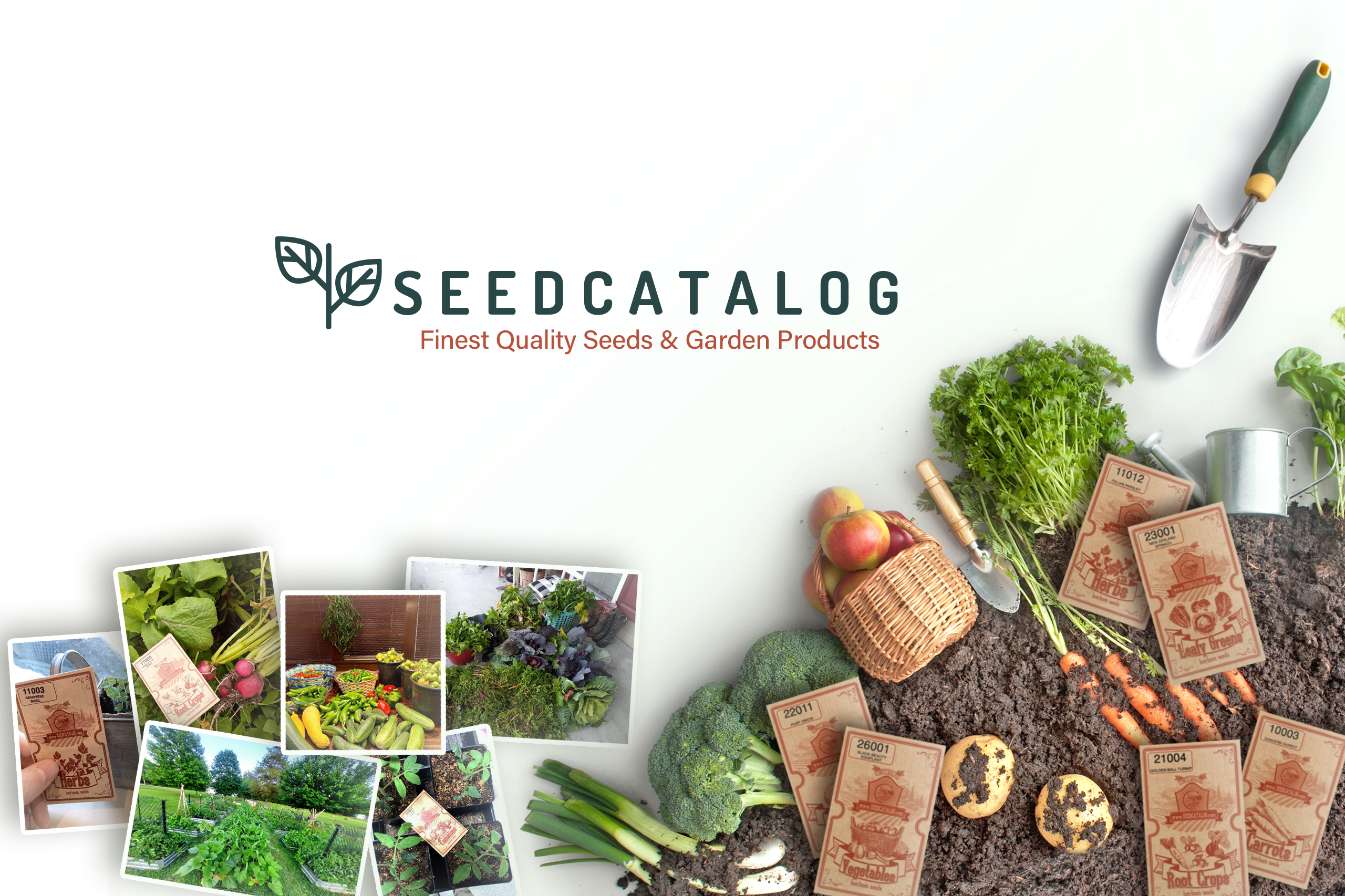
We sell only Organic Heritage seeds that are not genetically modified. They are sustainable and renewable, and are your only true source for a safe food supply. History of Heirloom Seeds
Heirloom seeds are seeds that have been faithfully reproduced and handed down from generation to generation, and which have unmatched richness of flavor, nutritional benefit, and resistance to diseases. A plant is considered to be an heirloom if it is an open-pollinated cultivar that is over 50 years old. When heirloom gardeners refer to open-pollination, they mean that a particular cultivar can be grown from seed and will come back "true to type." In other words, the next generation will look just like its parent.
Just how old a cultivar has to be to be an heirloom is open to discussion. Some authorities say heirloom vegetables are those introduced before 1951, when modern plant breeders introduced the first hybrids developed from inbred lines. While there are good reasons to use 1951 as a cut-off, many heirloom gardeners focus on varieties that date from the 1920s and earlier. A few, especially those re-creating World War II Victory Gardens, add introductions from the 1920s, 1930s, and the early 1940s. While some first-rate open pollinated cultivars were introduced after 1951, few gardeners include them with the heirlooms.
The original genetic materials of heirloom plants are intact and the plants' unique reproductive and immune information is preserved. Heirloom fruits and vegetables have stronger flavors, and come in many different and unique colors, sizes, and shapes.
Importance Heirloom Seeds
The loss of genetic seed diversity facing us today may lead to a catastrophe far beyond our imagining. Modern hybridizations not only do not reproduce the original plants faithfully, but the new plants may be unable to adapt to changes in the environment. Hybrid plants do not have the same strength, vigor, or immunity against disease that Heirloom plants have. Seeds that have been changed genetically to resist the application of herbicides can become sterile and cannot reproduce themselves. Also, it is now known that genetically modified plant foods can cause disease.
Planting only genetically modified seeds can lead to serious problems. First, relying solely on modified seeds and neglecting to preserve genuine heirloom seeds, presents the very real possibility of our multitudes of plant varieties becoming extinct, due to lack of preservation and use. Second, modified seeds are incapable of reproducing themselves faithfully, so if they are the only seeds being used, there is no way of saving them to plant them the next year! Especially if they are modified seeds with "Terminator" - then they are incapable of growing again at all.
Categories
- Artichoke
- Asparagus
- Beans
- Beets
- Bok Choy
- Broccoli
- Brussels Sprout
- Cabbage
- Cardoon
- Carrots
- Cauliflower
- Celery
- Chicory
- Chinese Cabbage
- Collards
- Corn
- Cucumber
- Eggplant
- Endive & Escarole
- Fennel
- Garden Berries
- Garden Enhancers
- Garlic
- Gift Vouchers
- Gourds
- Grains
- Greens
- Greens, Oriental
- Herb
- Kale
- Kohlrabi
- Leeks
- Lettuce
- Melocoton
- Melons
- Mustard
- Okra
- Onions
- Organic Fertilizer
- Parsnips
- Peas
- Peppers
- Pumpkin
- Radicchio
- Radishes
- Rhubarb
- Roselle
- Rutabagas
- Salad Blends
- Salsify
- Seed Sprouting Kits
- Sorghum
- Spinach
- Sprouting Seeds
- Squash
- Survival Seed Banks
- Swiss Chard
- Tomatillo
- Tomatoes
- Turnip
- Value Garden Packs